


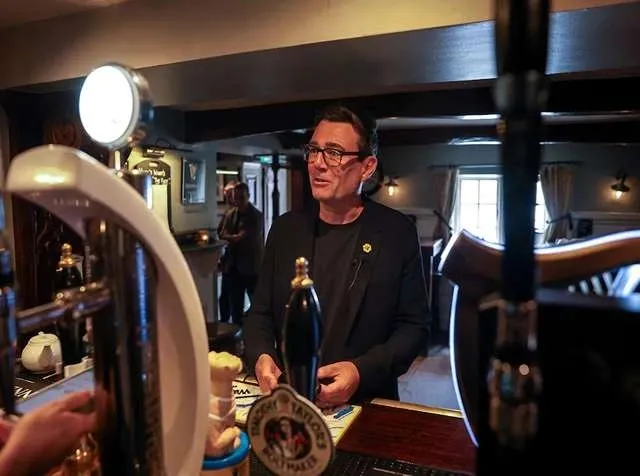
UK Prime Minister Andy Burnham has unveiled a major business rates cut for pubs, clubs and live music venues across England, kicking off a new drive to ease financial strain on community businesses and help struggling high streets. The government said the measure would mean a 20% cut in business rates bills from next April, benefiting thousands of hospitality and entertainment venues.
The policy is expected to help nearly 32,000 pubs, clubs and live music venues with the average pub estimated to save around £1,100 a year. The government said the move was designed to protect businesses that are important to local communities and to encourage investment and job creation throughout England.
Burnham framed the announcement as part of a wider economic plan to cut the cost of living for families and businesses. The new business rates reduction is one of a raft of measures his administration has brought forward to help with the cost of living, with other changes relating to household costs and transport affordability.
The hospitality sector has been struggling in recent years with rising operating costs, increased wages, higher energy bills and consumers spending less. Many independent pubs and entertainment venues have warned these pressures have made it harder and harder to stay profitable, with some businesses being forced to close for good.
Pubs, social clubs and live music venues are a vital part of the social infrastructure of Britain, providing places for communities to meet and supporting local economies, government officials said. The new relief package is designed to keep these businesses financially viable and operating in towns and cities across the country.
Government Targets Business Support Measures to Boost High Street Recovery
The reduction in business rates is part of Burnham's broader plan to revitalise local economies and high streets which have seen big changes in recent years. Traditional town centres across the UK have suffered due to changing consumer habits, rising costs and increased competition from online retailers.
Pubs and live music venues have been among the businesses to suffer most from these economic pressures. Hospitality industry groups have repeatedly called on government to step in with support, saying hospitality companies need more help to cope with rising costs while still offering affordable prices to customers.
The government said the cut in rates would give companies more certainty for future investment plans. Many venues have delayed improvement, renovation and expansion plans amid uncertainty over operating costs, officials said. The government is trying to free up resources for improvements and employment by reducing fixed expenses.
But some hospitality representatives said the policy does not solve all the problems facing the sector. Industry leaders have welcomed the business rates cut but have called for wider measures, including further tax reforms and support for restaurants, cafes and other hospitality businesses also facing rising costs.
The announcement is part of government balancing on economic support with broader fiscal considerations. The measure offers targeted relief but ministers have stressed that the policy will be funded through changes elsewhere in the tax system rather than adding pressure to the public finances.
Funding Changes to Include Review of Vape Shop Relief and Online Tax Compliance
To fund the business rates reduction, the government said it will look at some tax reliefs it gives to businesses that it says do not make a positive contribution to local communities. Vape shops were one category singled out as likely to see changes under the review.
The government also said it would increase scrutiny of businesses that operate through online marketplaces to ensure they are paying their taxes. Officials said better compliance could also help raise revenues and create a more level playing field for traditional high street businesses.
The move is part of a broader debate about the structure of government support for business. Supporters of community-centred venues such as pubs and music venues say they provide social as well as economic value while detractors say they are uncomfortable with governments determining which types of business should receive preferential treatment. Burnham's administration has promoted the policy as part of a broader effort to assist businesses that contribute to local communities. Ministers say supporting venues where people meet, socialise and enjoy cultural activities can help strengthen neighbourhoods and boost local economies.
Pub operators and entertainment businesses of all sorts, including major industry bodies, have widely welcomed the move. Some companies, however, have warned that the relief will help, but it will not solve wider economic problems. The funding dispute also reflects wider questions about the government's economic priorities at a time when it is trying to boost growth but keep a lid on public spending.
Hospitality Sector Welcomes Relief but Calls for More
The hospitality sector has broadly welcomed the announcement, calling the business rates cut a positive move to alleviate financial pressures. Pub operators, social clubs and live music venues said they needed targeted support after years of challenges caused by inflation, energy costs and changing consumer behaviour.
Even small cuts to operating costs can be of great help to a lot of independent venues. Business owners say lower rates could help them retain staff, invest in upgrades and continue to offer entertainment and community services. Live music venues have in particular had a difficult time, with many smaller venues suffering from higher production costs and lower margins. Supporters of the policy say protecting these venues is vital to Britain's cultural economy and to up-and-coming artists.
But industry groups have also stressed that business rates are only one part of the wider cost challenge. Businesses still pay high rents, labour costs, supplier costs and consumers still spend less. Hospitality leaders have said more reforms may be needed for long-term stability. The government's move is a specific intervention, not a wholesale change to the hospitality tax system. The cut is a welcome immediate help but businesses will still be looking out for other economic measures that could impact their costs further down the line.
Burnham's Economic Agenda Gets First Big Test
One of the first economic actions from Andy Burnham's government as it tries to put its stamp on growth, affordability and business support is the business rates announcement. The policy is a two-pronged approach of direct financial relief coupled with an attempt to reorient tax priorities to businesses that serve the community.
Success of the measure will depend on whether the savings translate into stronger business performance, increased investment and greater stability for local venues. Supporters argue the policy could help prevent further closures and strengthen town centres. Critics might say that bigger structural challenges call for broader economic reforms.
The announcement is a boost for pubs, clubs and live music venues after a tough time. Many operators have found it difficult to recover from pandemic disruption and later higher operating expenses. The cut to business rates could give businesses a little more breathing space when planning ahead. The government will also come under pressure to demonstrate that the policy delivers genuine economic benefits. Whether the public retains its confidence will depend on communities noticing visible improvements such as fewer closures, stronger local businesses and more investment in high streets.
Burnham's business rates cut is a big attempt to help one of the country's most recognisable sectors, as the UK economy continues to grapple with cost pressures and changing consumer habits. The coming years will tell whether the measure proves to be a turning point for Britain's hospitality industry, or just temporary respite from deeper economic challenges.