



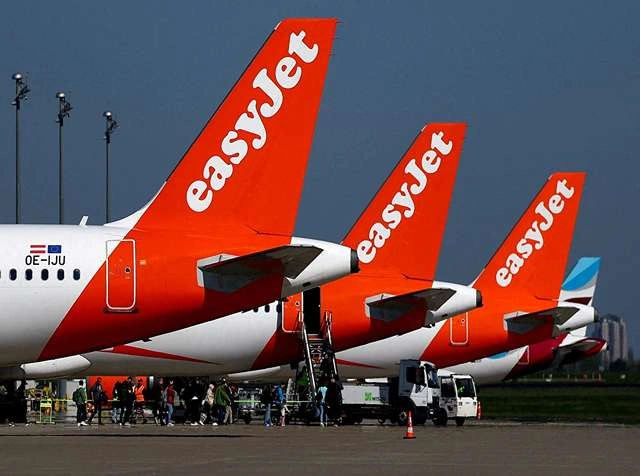
The future ownership of British low-cost airline easyJet has entered a new phase after U.S. private equity firm Apollo Global Management launched a higher takeover offer worth about £5.7 billion, challenging an earlier proposal from rival investment firm Castlelake.
Apollo's unexpected move has begun a fierce bidding competition for one of Europe's best-known airlines and raised questions about whether easyJet will be taken private and how a new owner would change the carrier's strategy.
The offer comes just days after easyJet had begun to lean towards recommending Castlelake's proposal, which valued the airline at around £5.5bn. Apollo's superior offer has changed the landscape of the takeover process and put shareholders in the driving seat.
Challenges to Apollo's Higher Offer Castlelake Agreement
Apollo has offered £7.15 a share for easyJet, topping Castlelake's prior bid of £6.90 a share.
The bigger valuation is a sharp rise from easyJet's market value prior to the emergence of takeover interest and provides shareholders with a larger financial incentive to consider Apollo's offer.
Apollo said its ownership model would offer easyJet more capital and longer-term strategic backing and that private ownership would enable the airline to accelerate investment plans without the pressure of public expectations.
The company also proposed a structure that would allow some existing investors to retain some exposure to the airline through a continuing equity arrangement.
Big Private Equity Fight over easyJet
The bidding war points to rising investor interest in European aviation assets.
easyJet has long been viewed as an attractive takeover target given its strong brand, pan-European network, valuable airport landing slots and significant order book with Airbus for its aircraft.
The airline has struggled since the COVID-19 pandemic with rising fuel costs, economic uncertainty and intense competition from other low-cost carriers. But investors have viewed the company as having a lot of room to improve operations and grow as a private company.
Aviation companies have become appealing targets for private equity firms looking to boost efficiency, restructure operations and tap the value of big transportation companies.
easyJet on Takeover Path After Castlelake's Previous Bid
Castlelake had been pursuing a takeover deal with easyJet before Apollo entered the fray.
A U.S. investment firm had upped its offer several times after earlier offers were rejected by the board of easyJet as too low for the airline.
By early July, easyJet's board had indicated it would be prepared to recommend a sweetened £6.90-per-share offer from Castlelake to shareholders.
The possible Castlelake deal could have taken easyJet private after more than two decades as a public company traded on the London Stock Exchange.
Apollo's intervention has now re-opened negotiations and introduced a new dimension of competition.
Investors Watch Future of Britain's Biggest Airline Brand
The takeover battle puts the easyJet shareholders in a position to choose between competing visions for the company's future.
A private equity takeover could provide access to more investment and allow managers to forge ahead with longer-term plans without the pressure of quarterly market demands.
But purchases of airlines by investment firms tend to lead to questions about what they will do in the future including potential cuts to costs, operational restructuring and shifts in business priorities.
Proponents say private ownership can benefit companies by making them more efficient and providing money for expansion. Critics often question whether financial investors seek short-term returns.
Regulatory Hurdles May Decide Final Deal
Any acquisition of easyJet would have to satisfy European aviation ownership rules. Under EU law, airlines based in EU countries must be majority owned and controlled by EU nationals. So potential buyers need to negotiate deals that meet regulatory requirements but can still access European routes.
Both Apollo and Castlelake have looked at ownership structures to deal with such restrictions. Regulatory approval is likely to be a major factor in the development of the bidding process.
easyJet's Position in European Aviation
Founded in 1995, easyJet is one of Europe's largest low cost airlines flying hundreds of routes across Europe connecting major cities with regional destinations. The company changed the face of air travel in Europe by making short-haul flights cheaper and more accessible.
Its orange planes are a familiar sight at airports across Europe and the airline remains one of the strongest brands in low cost aviation. A change of ownership would represent one of the biggest transformations in the company's history.
Private Equity Holding Reflects Broader Trend of Airline Investment
The easyJet takeover battle comes as interest in transport and aviation assets has been heightened. Investors have been looking for companies with strong infrastructure positions and potential for a rebound after years of turmoil in global travel.
Due to fuel costs, labour expenses, regulation and economic sensitivity, airlines remain tough businesses. Nevertheless, companies with valuable assets and large customer bases continue to attract investment interest.
What's Next in the easyJet Takeover Battle
Apollo's proposal will now be considered by the easyJet board alongside the earlier Castlelake agreement. Shareholders will have to decide whether the higher Apollo offer is the best way forward for the airline. The outcome could decide whether easyJet remains a listed company or joins the ranks of big European companies taken over by private equity investors.
For the aviation industry, the battle is more than a corporate takeover. It's also a test of how investors value airlines in a fast-changing travel market. easyJet sits at the heart of one of the most closely watched aviation deals of 2026 as Apollo and Castlelake battle for control.