


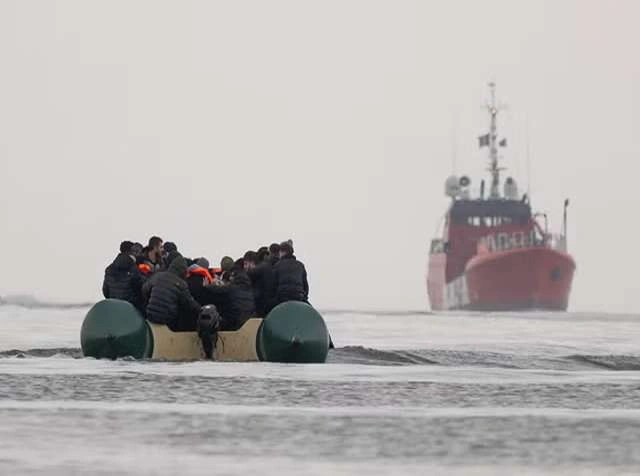
The UK government has agreed to pay France another £660m to curb the number of asylum seekers travelling across the Channel, including plans to fund a riot squad to “contain and disperse” people trying to board small boats.
Under a three-year deal to be signed by Home Secretary Shabana Mahmood, 1,100 enforcement, intelligence and military officers will be deployed, marking a roughly 40% increase in personnel.
The agreement, which follows the collapse of a previous £478 million deal, includes a baseline package of around £500 million to increase enforcement on northern French beaches.
An additional £160 million has been put aside to test new ideas, with financing contingent on results, making this the first "payment-by-results" plan in the Channel.
If the investment does not significantly reduce crossings, part of the funding could be withheld in later years.
The government says the deal aims to ramp up intelligence, surveillance and enforcement to protect UK borders and reduce dangerous journeys.
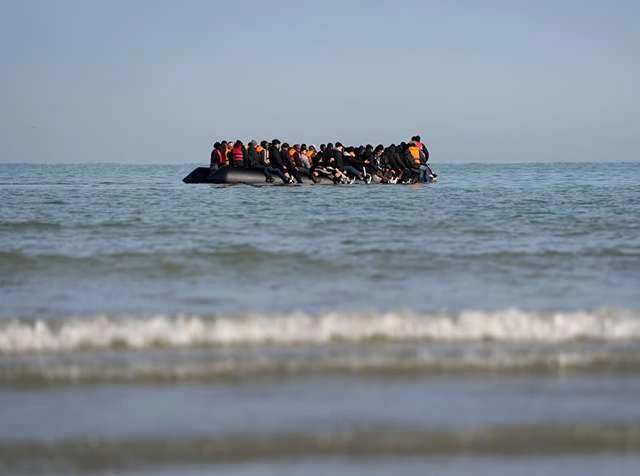
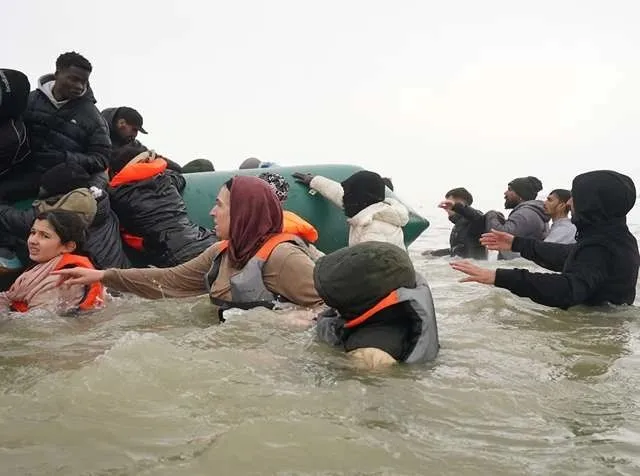
Why This News Matters:
This shows just how far the UK is willing to go to stop small boat crossings. The government is putting a lot more money — and tougher tactics — behind border control, including funding enforcement on French beaches. But it also raises a bigger question: is this actually solving the problem, or just pushing it somewhere else?
Enforcement Measures and New Policing Tactics
The deal includes the creation of five new police units, including a 50-strong riot squad trained in crowd-control tactics to stop migrants attempting to board boats.
UK funding is expected to cover equipment such as batons, shields and tear gas to deal with “hostile crowds and violent tactics.”
Additional maritime officers will target “taxi boats” that collect migrants in shallow waters, while intelligence units will expand to increase arrests of smuggling gangs.
France will also deploy drones, helicopters and camera systems to track and intercept crossings.
Nearly 1,100 officers will patrol beaches in northern France, up from around 700 under the previous agreement.
The measures are designed to disrupt smuggling operations and prevent migrants from boarding small boats before they leave shore.
Political Pressure and Government Justification
The agreement comes as the UK government faces growing political pressure to reduce irregular migration, particularly ahead of elections.
Prime Minister Keir Starmer said the deal would build on previous efforts that have already stopped tens of thousands of crossings and led to nearly 60,000 deportations.
Home Secretary Shabana Mahmood described the agreement as a “landmark deal” that would stop illegal migration and target smuggling gangs.
However, opposition parties criticised the plan, arguing that large sums of money are being handed to France without sufficient guarantees of success.
Reform UK and Conservative figures also questioned whether the funding would deliver meaningful reductions in crossings.
Rising Channel Crossings and Migration Trends
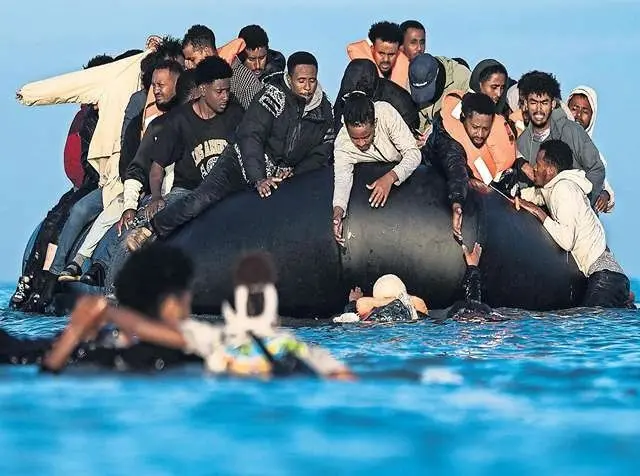
More people have crossed the Channel in the last few years. In 2025, 41,472 people came to the UK on small boats.
The government is trying to stop them, but more than 6,000 people have already made the trip in 2026.
In the last two months, French officials have stopped a lot of boats and nabbed traffickers, but crossings are still high.
The numbers show that 41% of people seeking asylum came by small boat. The rest entered in various ways or stayed longer than their visas said they could.
The rise of crossings has made the argument over border control policies and the usefulness of past agreements even more heated.
Criticism from Charities and Human Rights Concerns
Groups that help asylum seekers have spoken out against the plan, saying that paying for riot control could hurt more vulnerable people.
Charities said that a lot of migrants are leaving because of war and persecution and don't have many safe ways to get to the UK.
They said that focusing on enforcement just deals with the symptoms of migration, not the core causes.
Reports have raised fears about police being more harsh and boats becoming overcrowded, both of which could make crossings more dangerous.
Critics also pointed to the increased number of deaths and terrible conditions, which made it clear that asylum seekers need better legal ways to go to safety.
What to Watch Next:
In the end, it's all about results. If the number of crossings doesn't go down, this could quickly become a political problem. And just as important, how these steps are taken will matter, especially if there are worries about safety or how people are being treated on the ground.