


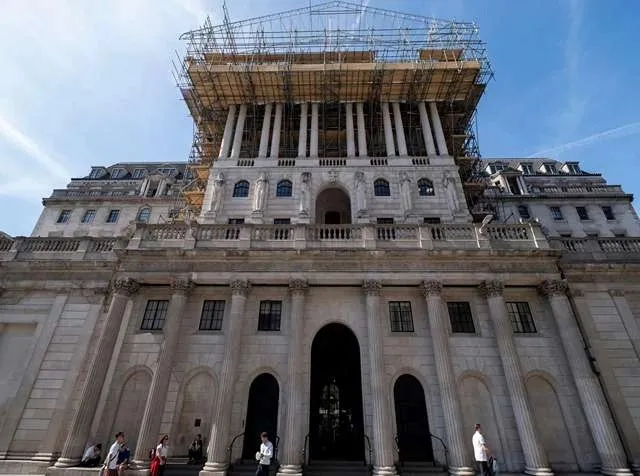
UK interest rates were left unchanged by the Bank of England as policymakers battled to rein in inflation amid fresh price pressures from energy market turmoil and the continuing conflict in the Middle East. It comes after the FTSE 100 reached record levels, with investor confidence despite uncertainty over global markets.
The Monetary Policy Committee kept Bank Rate at 3.75%, adopting a cautious stance as officials weighed up the impact of higher energy costs, wage growth and geopolitical risks on the British economy. Inflation had eased but policymakers were worried higher oil and gas prices could stymie further progress toward the central bank's 2% target.
Financial markets responded positively too, with strong demand for big UK companies in the energy, industrial and defence-related sectors. The FTSE 100 surged to a new record high as investors ignored the economic gloom and focused on the strength of companies.
Bank of England Holds Interest Rates Steady Amid Inflation Concerns
The Bank of England kept interest rates on hold at 3.75% and stayed on alert for inflation dangers from worldwide energy markets. With inflation beginning to ease, and geopolitical tensions adding uncertainty about the future path of prices, policymakers faced a difficult choice. The central bank has been watching the impact of the Iran conflict on oil and gas prices. Higher energy prices could push up household and business operating costs and create new inflationary pressures after months of gains.
Future rate decisions will depend on economic data, trends in inflation and developments in global markets, they said. Now investors are trying to figure out whether it's going to be a rate cut or if inflation will drive rates higher for longer. The decision reflected the challenge central banks around the world face in trying to support economic growth without a return to inflation driven by energy shocks and geopolitical instability, economists said.
FTSE 100 Hits Record High as Investors Ignore Economic Risks
Mining, industrial and energy stocks helped boost the London market, lifting the FTSE 100 to an all-time high. The index rose as investors looked past the immediate horizon and focused on companies that will benefit from global demand. Energy stocks drew strong investor interest as Middle East tensions kept the focus on oil markets. Shell and others benefited as commodity prices remained high, with hopes of higher earnings in the energy sector.
The rise underscored the unusual composition of the FTSE 100, which is heavy on overseas companies, commodities and financials. The index was boosted by global revenue streams, not just the economic environment in the UK, analysts said. Market experts cautioned, however, that geopolitical events could rapidly change investor sentiment if energy supplies or shipping routes were disrupted.
Iran Conflict Adds Economic Pressure on Central Banks
The ongoing confrontation with Iran was a drag on world financial markets, adding to uncertainty over energy supplies and inflation. Investors were still worried that the ongoing turmoil may push oil prices higher and force tougher decisions on monetary policy. The rising energy costs continue to be a significant threat to the UK economy as they directly impact household bills, transport costs and business expenses. The Bank of England has noted that international disputes can generate difficult inflation challenges through energy supply shocks.
Elsewhere, policy makers wrestled with similar problems of inflation and growth, with investors worldwide following the Federal Reserve and other major central banks. Energy prices will still have an impact on inflation expectations and interest rate decisions and so financial markets will continue to be sensitive to developments in the Middle East, analysts said.
Shell, Rolls-Royce and UK companies Rise on Market Optimism
The rally in the FTSE 100 was driven by strong corporate performance. Higher commodity prices helped energy firms while industrial and defence firms prospered from a surge in demand due to global security concerns. Shell posted better results as energy markets stayed buoyant, while Rolls-Royce and other industrials were supported by improving business outlooks.
Banking stocks remained centre stage in the UK market as investors considered the impact of interest rate decisions on lending activity and profits. Lloyds Bank was one of the most watched companies as financial markets reacted to the Bank of England's policy direction. Worries about inflation and geopolitical risks were overshadowed by investor confidence and strong corporate results.
Investors Watch Future Rate Moves and the Economy
The Bank of England's move was welcomed by markets but there is uncertainty about the future direction of UK monetary policy. Investors will watch inflation numbers, energy prices and international political developments for hints of future interest rate moves. A sustained run-up in energy prices could impede the evolution of inflation and risk pushing back potential rate cuts. And at the same time, slower economic growth could increase the pressure on policymakers to provide support.
The FTSE 100's record run is a vote of confidence in large UK-listed companies but financial markets remain vulnerable to sudden geopolitical shocks. The Bank of England will continue to walk the tightrope between inflation and economic stability as the coming months will be dictated by energy prices, global conflicts and the decisions of the main central banks.