



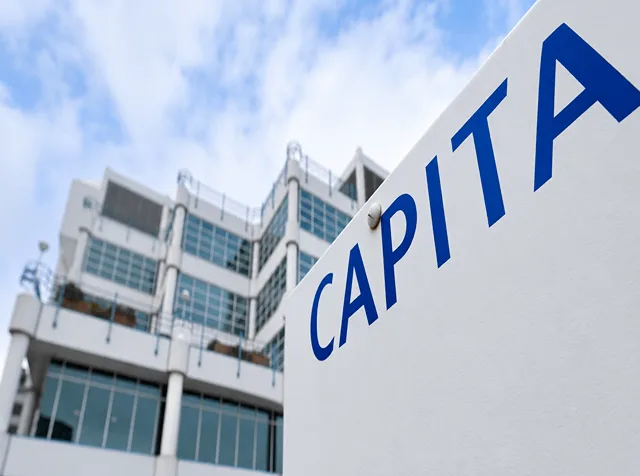
Shares in Capita collapsed by about 70% on Monday after the outsourcing group lost its chief executive, warned that its 2027 profits would fall well short of earlier forecasts and announced plans to raise roughly £190 million from shareholders. A day later, the government told MPs that fallback arrangements are in place for the Civil Service Pension Scheme in case the company fails.
The sell-off took Capita’s stock to its lowest level in more than 35 years and left investors, ministers and the 1.7 million people covered by the scheme asking how much risk now sits with one of Whitehall’s biggest suppliers.
Chief Executive Out, Finance Chief Steps Up
In a trading and leadership update on 23 November, Capita said Adolfo Hernandez had agreed with the board to step down as chief executive and as a director with immediate effect. Chief financial officer Pablo Andres takes over as chief executive, while Gemma Bate-Williams, previously the group financial controller, becomes chief financial officer. Mr Hernandez will remain available to the business until 31 December to help with the handover.
In his departure statement Mr Hernandez said he was proud of the groundwork laid during his time in charge, including the push to turn Capita into an AI-enabled services business, but accepted that the company had not delivered the service pension scheme members deserve. Chairman David Lowden said fixing the pension contract was the company’s “number one priority” alongside rebuilding trust with government. On a call with analysts, Mr Andres declined to say why Mr Hernandez left, describing it as a matter between the board and the outgoing chief executive.
A Profit Warning Wider Than Pensions
Capita now expects its 2027 adjusted operating profit to be between £85 million and £95 million lower than it previously forecast. The pension contract is only part of the damage. Capita puts the extra cost of its recovery plan for the scheme at £15 million to £25 million. It also no longer expects extensions on two major contracts, one in defence and one in pension solutions, which it says will cost about £40 million. Contract losses and weaker conversion of opportunities in its local and regional government business should cost a further £20 million, with about £10 million more from slower conversion of the near-term pipeline elsewhere.
The company now guides to 2027 revenue of £1.6 billion to £1.65 billion and a free cash outflow of £50 million to £60 million, excluding business exits. Net debt, before lease liabilities, is expected to be around £300 million at the end of 2026. Capita calls 2027 a transitional year and says it expects a material recovery in profitability from 2028, with revenue of £1.65 billion to £1.7 billion and a return to positive free cash flow. Its profit guidance for 2026 is unchanged.
The £190 Million Equity Raise
To reduce borrowing, Capita plans to raise about £190 million through an equity raise in the first half of 2027. RBC Capital Markets has been appointed sponsor and global coordinator. Oasis Management, the largest shareholder with a 15.2% stake and a nominee on the board, has said it supports the plan and intends to take up at least its pro rata share.
The raise is not yet a done deal. It depends on the backing of Capita’s lenders, and the company says it will seek limited changes to its financing arrangements, including extra headroom on its covenants. The board also said it is continuing to look at all options to deliver value for stakeholders. The shares have now lost more than 98% of their value since their 2015 peak.
The Pension Scheme at the Centre
Capita took over administration of the Civil Service Pension Scheme in December 2025, and since then thousands of current and former civil servants have faced delays to payments, retirement quotes and statements. The government has withheld nearly £10 million in payments to Capita over its performance, and the company earlier missed a 30 June deadline to deliver the terms of the £239 million contract.
Capita says it has now agreed a recovery plan with the Cabinet Office. Citing the latest scheme taskforce update, published on 12 November, it said 99.8% of calls were answered, with 79.9% picked up within 30 seconds, and that a dedicated team is working through about 32,000 of the oldest and most complex cases.
Ministers Confirm Contingency Plans
Answering an urgent question in the Commons on 24 November, Cabinet Office minister Sally Jameson said the government routinely monitors the financial health of its strategic suppliers and works across departments to make sure contingencies are in place. She declined to give details of the back-up plan, but said lessons had been learnt from the collapse of Carillion in 2018, particularly on transparency. She described Capita’s performance as “abysmal” but said she believed the company had the resources to carry out its plan to cut the backlog, and that she would meet Mr Andres in the coming days.
Reform UK deputy leader Richard Tice, who holds the party’s business brief, warned that Capita could go bust within three months and urged ministers to prepare several fallback options, possibly including a merger with another outsourcer. Sir Geoffrey Clifton-Brown, who chairs the Public Accounts Committee, also pressed for a proper contingency plan. Labour MP Clive Betts said MPs should look seriously at taking the scheme in-house, and SNP MP Lara Bird said one of her constituents had been left with less than £100 a month because of the delays.
Ms Jameson also pointed to the debarment powers in the Procurement Act 2023, which allow suppliers to be blocked from public contracts for serious breaches or poor performance, though she would not say whether any supplier is under investigation. Capita also runs recruitment for the British Army and holds contracts with the Royal Navy, the Department for Work and Pensions and NHS England, which raises the stakes if its finances worsen. The civil service union PCS said support for bringing the scheme’s administration back in-house was expressed more widely in the chamber than before.
What Happens Next
The next steps are Ms Jameson’s meeting with the new chief executive, Capita’s talks with its lenders on the financing changes, and the equity raise planned for the first half of next year. Ministers have said they are weighing insourcing models for the scheme, but they maintain that Capita must keep delivering the contract in the meantime.
For pension scheme members, the immediate message from both the company and the government is that the contract remains in place and the recovery plan continues. For Capita’s shareholders and lenders, the coming months will show whether the company can stabilise its balance sheet while repairing its standing with its most important customer.