


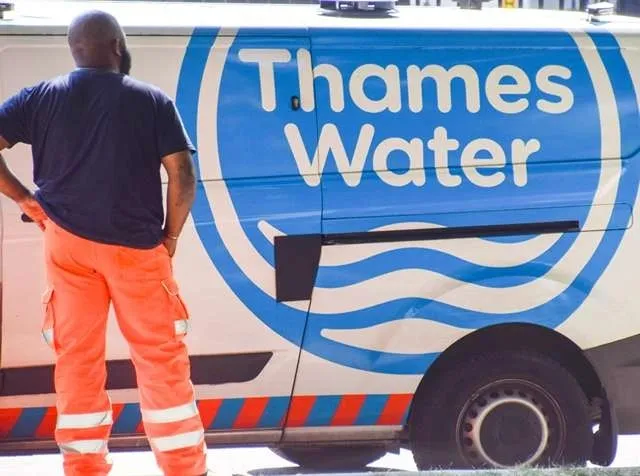
Investors and lenders backing Thames Water have launched a new rescue effort to prevent the crisis-hit utility being taken into public ownership, offering the UK government a powerful "golden share" giving it more say over big decisions.
The proposal comes after one of the biggest financial crises to hit Britain's privatised water sector in Thames Water's history. The company, which serves millions of customers with water and wastewater services, has been weighed down by a heavy debt load, aging infrastructure, regulatory pressure and public anger over sewage pollution and service failures.
The updated rescue plan is aimed at meeting government concerns about accountability, but avoiding a special administration regime that would temporarily place Thames Water in state control.
Golden Share Imposes Greater Oversight on Government by Creditors
The "golden share" would give the UK government certain powers over key corporate decisions, including the right to block certain strategic moves and unwelcome changes in ownership.
The move is seen as a way of reassuring ministers that taxpayers and customers would be better protected if the company remained in private ownership. The offer is from London & Valley Water, a group of institutional creditors who are major lenders looking to restructure Thames Water but keep it in private ownership. The group says more control by the government could be a compromise between full nationalisation and a purely private-sector rescue.
Thames Water Crisis Hits Breaking Point
Thames Water has been under intense financial pressure following years of rising debt, infrastructure problems and regulatory criticism. The company has around 16m customers and about £20bn of debt, raising fears it can survive without a major financial overhaul.
The company's financial troubles have attracted political attention because water services are viewed as critical infrastructure. Critics say years of private ownership have failed to provide enough investment in aging systems. A well-designed rescue, investors and lenders say, can restore stability without adding to the burden on taxpayers.
Andy Burnham Government Supports More Public Control
The move comes after pressure from the government of Prime Minister Andy Burnham, which has warned that more public oversight may be needed if Thames Water can't come up with a credible recovery plan. Burnham has supported greater intervention in vital services and questioned whether the present system of private ownership is sufficiently answerable to customers.
The government has considered placing Thames Water into a special administration regime (SAR), where it would be placed under temporary public control but vital water services would remain. But nationalisation would also pose huge financial and legal challenges, including potential cost to taxpayers and talks with creditors.
New Financial Pledges in Rescue Plan
The creditors support the proposal, which includes a revised financial package to put Thames Water on a stable footing and fund improvements to infrastructure. Previous rescue plans have included billions of pounds of extra investment, debt restructuring and promises to improve environmental performance.
The new plan is understood to include stronger commitments on governance, customer protection and investment. Private creditors say keeping the company private but under government oversight may be a quicker, less disruptive solution than nationalisation.
Big Problems - Sewage Pollution & Infrastructure Failures
Thames Water has been in the firing line for years over its network of sewage spills, leaks and failures. Environmental groups and consumer advocates say the company's financial structure led the company to underinvest in critical infrastructure.
Regulators have repeatedly called for improvements, and Thames Water has come under pressure to cut pollution incidents and improve its systems. The company's future is thus not just a financial question but also a key environmental and public services debate.
Politicians and Investors Divided over Nationalisation Debate
What happens to Thames Water has sparked a wider debate about the role of private companies in vital public services. Proponents of nationalisation say water infrastructure must be publicly owned, because it touches every household and community.
They say government ownership would mean more accountability and profits could be reinvested to improve services. Critics say nationalisation could be costly for taxpayers and that private investment is still needed to fund major infrastructure projects.
Creditors Seek to Block State Takeover
Thames Water's lenders are desperate to avoid a nationalisation. Messy talks about restructuring the company and possible losses have creditors worried about a government takeover.
Investors say the so-called golden share will show they are willing to accept more government oversight but still want to invest in private enterprise. The proposal is part of a wider trend for struggling infrastructure companies to find a way to meet investors and public expectations.
Thames Water's Future
Now the UK government has to decide whether the amended rescue plan offers enough protection for customers and taxpayers. Regulators such as Ofwat will be key to the financial sustainability of the plan and whether it delivers improvements.
If the talks collapse, the government could still invoke a special administration process. The decision will decide the future of one of Britain's most important utility companies, and could have implications for the debate over ownership of vital services across the country.
Thames Water to be a Test Case for UK Infrastructure Policy
The fight for Thames Water is a far bigger issue about the future of Britain's infrastructure. The company's crisis has revealed tensions between private investment, public accountability and the need for long-term infrastructure spending.
A golden share arrangement could provide a new model where private companies deliver essential services but governments have more say. But the success of the proposal will depend on its ability to rebuild public confidence, limit financial risks and deliver real benefits for millions of customers.
Thames Water's future could be decided in the coming months as it faces a choice between remaining a private company under tighter government oversight or following other major utilities into public ownership.