




UK Shop Price Inflation Slows to 1% as Retailers Slash Prices
April has brought some genuinely welcome news for shoppers, with fresh industry data showing that UK shop price inflation has fallen to just 1% — the lowest rate in nearly three years. Behind that number is a fairly straightforward story: retailers, squeezed on all sides, have chosen to compete on price rather than protect their margins. Supermarkets and major high-street brands have been absorbing operational cost increases rather than passing them on, and for once, that battle is working in the consumer's favour. It is not a transformation of the retail economy, but it is a meaningful shift.

Promotional Pressure Within the Clothing and Grocery Sectors
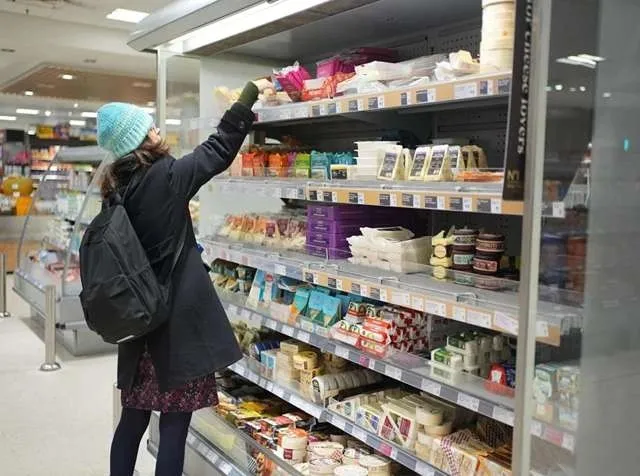
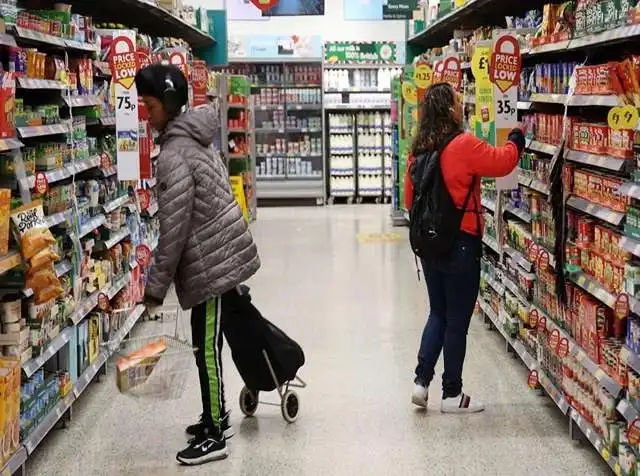
The cooling has been most visible in two areas people actually notice — what they wear and what they eat. Fashion retailers have gone hard on seasonal clearances, pushing non-food prices into deflationary territory for the first time this year. Walk through any major shopping centre and the discount rails tell the story clearly enough. Grocery chains have matched that energy in their own aisles, using sharp promotions on fresh produce and everyday staples to hold onto customers in an intensely competitive market. Together, these two sectors have done the bulk of the work in dragging the overall inflation figure down to 1.0% this April.
A Fragile Stability for the British Household
None of this means the pressure is truly off. Families who have spent the past few years watching their budgets shrink will recognise this for what it is — a pause, not a resolution. The structural costs that retailers face have not gone away. Business rates, wage bills and unpredictable global shipping costs are still sitting in the background, and at some point they tend to find their way onto the shelf. For now, though, the checkout experience is genuinely easier than it was six months ago, and that is worth acknowledging without overselling it.
Looking Toward the Second Quarter and Beyond
The honest question heading into summer is whether any of this holds. Some of the current discounting reflects retailers clearing warehouses that got overcrowded, and once that stock is gone, the incentive to keep prices low may weaken. The competitive dynamics on the high street are real, but they are not unconditional. What the current figures do offer is a bit of breathing room — a stretch of weeks where the cost of living is not actively getting worse for most people. Given everything the past few years have thrown at household budgets, that counts for something.